|
Join our email list
receive free email alerts
Morningside Center for Teaching Social Responsibility
(formerly Educators for Social Responsibility Metropolitan Area),
works in public schools and community organizations throughout
New York City to help teachers, youngsters, parents, and youth
activists build skills, knowledge and community.
Through our programs, people learn to solve conflicts nonviolently,
challenge bias, communicate better, and work together to build
a more just and peaceful society.

SEE
THE NEW VIDEO from Edutopia (a project of the George Lucas
Educational Foundation) of OUR WORK AT BROOKLYN'S PS 24!
Social
& Emotional Learning: TURNING A FIELD INTO A MOVEMENT:
Winter 2008 issue of Action News
Our latest annual report:
YEAR IN REVIEW
2006-2007 (October 2007)
A new report on our SOCIAL
& EMOTIONAL LEARNING POLICY PILOT in the NYC public schools
(October 2007)
Bring Morningside's conflict resolution programs to
your NYC school!
For details on bringing Morningside Center's exemplary programs
to your NYC elementary, middle or high school, please call Lillian
Castro at 212-870-3318 x33.
For a complete description of our services (in PDF format),
please see our offerings for:
elementary schools
middle schools
high schools
Visit TEACHABLEMOMENT.ORG
Morningside Center's popular website of teacher resources,
provides constantly updated teaching activities on issues of the
day. Visit www.teachablemoment.org
regularly!
The work of Morningside Center for Teaching Social Responsibility
is made possible in part by generous support from the following
private sources:
Booth Ferris Foundation
Con Edison
Jean & Louis Dreyfus Foundation
Fund for the City of New York
Michael Hirschhorn & Jimena Martinez
JP Morgan Chase
Charles Lawrence Keith & Clara Miller Foundation
Edward S. Moore Family Foundation
New York Community Trust
Pinkerton Foundation
Philip & Lynn Straus Foundation
Tiger Foundation
W.T. Grant Foundation
Members & Friends
MEET OUR NEW NAME!
On JANUARY 31, 2007, we changed our name from Educators for Social
Responsibility Metropolitan Area (ESR Metro) to Morningside
Center for Teaching Social Responsibility.
Our work, our location, our phone numbers, and our staff remain
the same. But our name, our look, our email addresses, and our
organizational web address have changed. You can still find our
teacher resources at www.teachablemoment.org.
For email: Replace esrmetro.org with morningsidecenter.org in
our email addresses, and you will be able to reach
us as before.
We look forward to continuing to serve our friends, old and new,
under our new banner.
"In a gentle way, you can shake the world."
Mohandas Gandhi
Staff Log-In
A School of Our Own:
Parents, Power & Community at the East Harlem Block Schools
by Tom Roderick
"A powerful story of the generation of hope and of the power
of a
community to educate its young."
— Educator/author Herb Kohl
Morningside Center's Executive Director Tom Roderick tells
the moving story of the Puerto Rican parents who created better
schools for their children, led a winning campaign to improve
early childhood services in NYC and empowered themselves in
the process.
Available through Teachers
College Press or through Amazon.com
-- and now, through Morningside Center's new secure
online store.
|
|
What's New on TeachableMoment.Org
Newly Posted Classroom Resources on our website of teacher
resources, TeachableMoment.Org:
WHAT
CAN STUDENTS DO ABOUT THE CATASTROPHE IN MYANMAR?
(5/14/08)
A
brief student reading about the recent devastating cyclone is
followed by suggestions for translating students' compassion into
action.
THE
SEAN BELL CASE (5/7/08)
NYC
police were found not guity in the shooting of an unarmed young
man, setting off protests. Three student readings explore conflicting
accounts of the shooting, reactions to the verdict, and opinions
from differing perspectives. Suggestions for discussion, inquiry
and a "constructive controversy" exercise follow.
Essay:
HISTORY: THE DISENCHANTING INSTRUMENT OF RECALL
(4/30/08)
Alan Shapiro asks: Are we, as teachers and citizens, willing
to examine the disturbing actions of our government since 9/11?
And what are the consequences of not examining them?
EARTH
DAY 2008: An Essay on HISTORY & THE ENVIRONMENT
(4/30/08)
An Earth Day presentation to students prompts educator Alan Singer
to reflect on some vital questions that Al Gore's documentary
An Inconvenient Truth left out.
Presidential
Election 2008: WHAT DO WE DO ABOUT NUCLEAR WEAPONS?
(updated
4/28/08) An introductory quiz
is followed by a student reading on what the candidates have said
about nuclear weapons proliferation.
A second student reading explores author Jonathan Schell's latest
thinking on the issue; and a third presents poll results on what
Americans and Russians think about nuclear weapons policy.
OPENING
A DIALOGUE: How people in Muslim countries view the U.S. &
how people in the U.S. view Muslims (4/23/08)
Students are invited to think critically about these complex issues
through poll questions, brief case studies, and a critical thinking
exercise.
THE
CONSTITUTION, WAR CRIMES & GUANTANAMO JUSTICE
(4/16/08)
Release of a Justice Department memo raises anew the issue
of how the U.S. treats terrorist suspects.Two student readings
are followed by discussion questions and other student activities.
WHAT
IS COMMUNICATION? for Grades 3-6
(4/16/08) In
these two fun classroom activities, students practice sending
and receiving messages and consider what communication is.
CUBA
& THE U.S. (4/9/08)
Castro's resignation has provoked new consideration of the Cuba-U.S.
relationship. Two student readings examine the history, the role
of Cuban-Americans, the human rights issue, and the stands of
the 2008 presidential candidates.
A
MORE PERFECT UNION: Examining Senator Obama's Speech
(3/26/08)
Extended excerpts from Senator Obama's speech on race are followed
by questions for classroom discussion, as well as additional suggestions
for class dialogue, writing, and inquiry.
Exploring
Race & Racism through OBAMA'S SPEECH ON RACE
(3/19/08)
Senator Barack Obama's March 18, 2008, speech is a teachable
moment for issues of race, racism, and race relations in the United
States. Here, suggestions for classroom discussion and inquiry
based on a reading or viewing of Obama's speech.
PEACEMAKERS
(for Grades 3-6)
(3/19/08) A series of classroom activities culminate
in students interviewing a peacemaker in their school or community.
The
Politics of Numia: A POST-COLONIAL ROLEPLAY
(3/12/08)
This engaging activity has students play the role of political
parties (each with its own constituency, resources and objectives)
trying to form a coalition government in the fictional African
nation of Numia.
IRAQ:
The Surge & Power Struggles (3/12/08)
Four
student readings and an introductory questionnaire expore the
effects of the surge and the state of Iraq today. Student activities
follow.
PAKISTAN:
Unstable U.S. Ally
(3/5/08)
Pakistan, a nuclear power that has been a haven for al
Qaeda, is now in flux. Three student readings offer a brief primer
on Pakistan's often violent history and its relationship with
the U.S. Discussion questions and subjects for further inquiry
follow.
Presidential
Election 2008 ROLEPLAY: THE CAMPAIGN TRAIL (2/27/08)
A
lively game demonstrates how disparate interest groups, with their
money and clout, can influence a candidate's platform and viability.
Presidential
Election 2008: THINKING CRITICALLY ABOUT A CHOICE FOR PRESIDENT
(2/27/08)
The
believing game and the doubting game can help students go beyond
debate to dialogue and analysis when considering the 2008 presidential
candidates.
CONFLICT
AND WIN-WIN SOLUTIONS: Two Lessons for Grades 3-6
(2/27/08)
The
first lesson introduces students to the concept of conflict; the
second has students practice coming up with "win-win solutions."
Presidential
Election 2008: HILLRAISERS, McCAIN 100s & PUBLIC CAMPAIGN
FUNDING
(2/20/08)
This election has raised many questions about the role of money
in our political system. One student reading focuses on "bundling"
and how it encourages corruption. Another considers the need for
reform, detailing one proposal now before Congress. Discussion
questions, subjects for inquiry, and suggested citizenship activities
follow.
RESPECTING
DIFFERENCES for K-2 (2/20/08)
Students
observe that even friends may disagree in their opinions. The
lesson includes an "opinion continuum" exercise that
encourages students to respectfully express and listen to different
opinions.
MILITARY
SPENDING & THE MILITARY-INDUSTRIAL-CONGRESSIONAL COMPLEX
(2/6/08)
Three student readings and a quiz explore why the complex developed,
how it operates, and some of its consequences. Discussion questions
and opportunities for further inquiry and citizenship activities
follow.
LISTENING
WELL (2/6/08)
In this activity for grades 3-6, students practice the skills
of good listening.
Presidential
Election 2008: MAKING DECISIONS ABOUT PRESIDENTIAL CANDIDATES
(for grades 4-6)
(1/30/08)
Four
45-minute lessons engage students in considering what qualities
they might look for in a political candidate; how to get information
about candidates; and how they and the adults in their lives decide
whom to vote for.
ECONOMIC
ANXIETY: Lost homes, lost jobs, debt & dropping markets
(1/23/08)
Student readings describe how the mortgage crisis affects real
people and why; the domino effect of sub-prime mortgage loans;
and economic stimulus proposals. Discussion questions and inquiry
activities follow.
Presidential
Election 2008: MISLEADING FACTS & VAGUE OPINIONS
(1/23/08)
How
do you pick a candidate? Statements from four candidates on major
issues are followed by discussion questions, an exercise on recognizing
factual statements and opinions, and suggestions for student inquiry.
NO
CHILD LEFT BEHIND
(1/16/08)
Because this federal law has
personal meanings for students, it is an excellent subject for
independent and small-group inquiries. Two student readings outline
the law's major provisions, the Bush administration's defense
of it, and criticisms.
DEATH
FROM A DISTANCE
(1/9/08) Three
student readings include conflicting accounts of air attacks
by the U.S. military and by survivors; media coverage of the attacks;
and a brief overview of the growing lethality of air assaults
since World War I and the devastating effect on civilians.
Presidential
Election 2008: POLITICS & RELIGION
(1/3/07) The
role of religion in politics has become a controversial 2008 election
issue. Following an introductory quiz, three student readings
address the Constitution and the founders on religion, presidential
candidates' speeches on faith and politics, and the appropriateness
of religious questions directed to candidates.
...and much more, all available on www.teachablemoment.org!
Photos
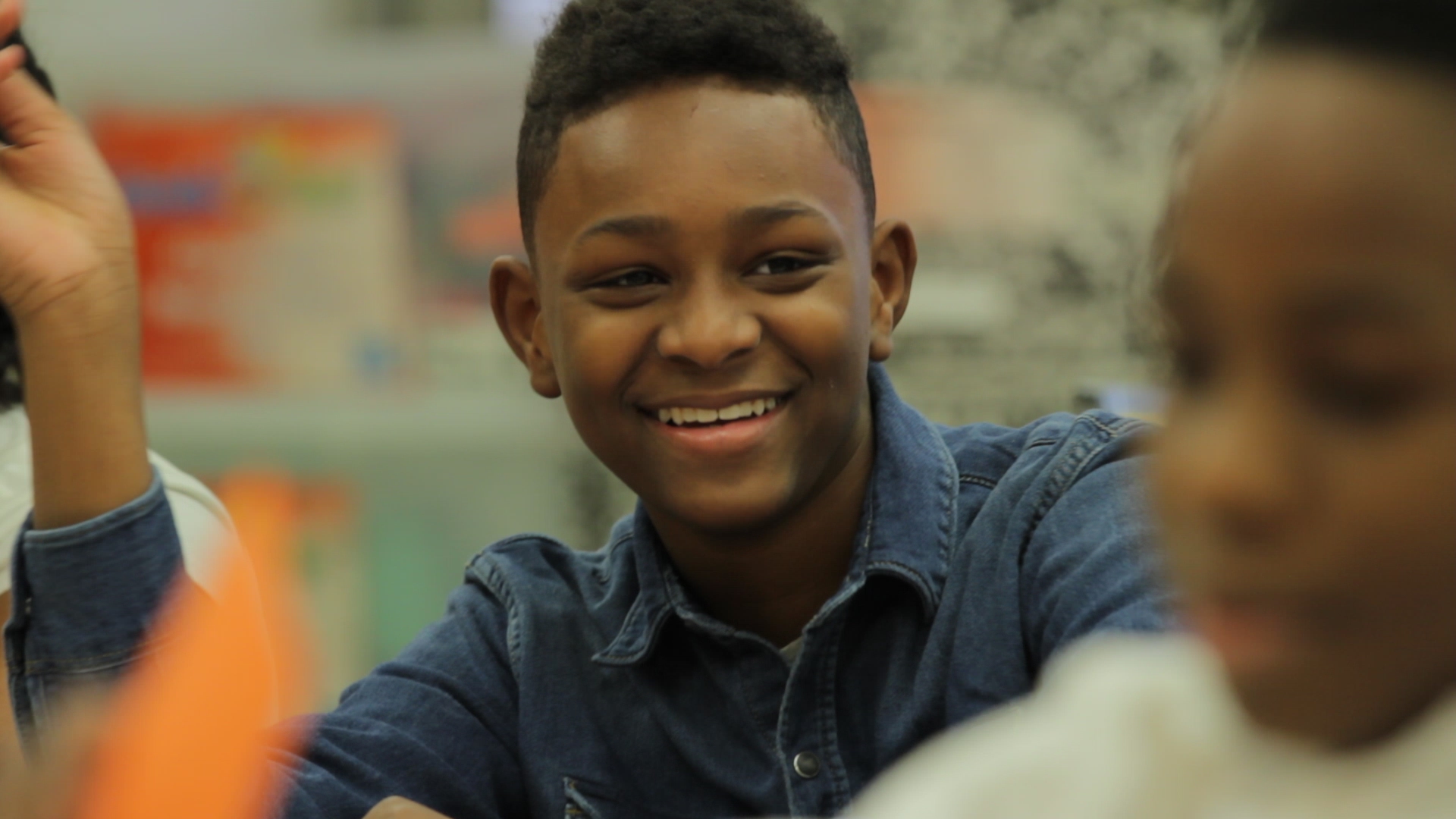
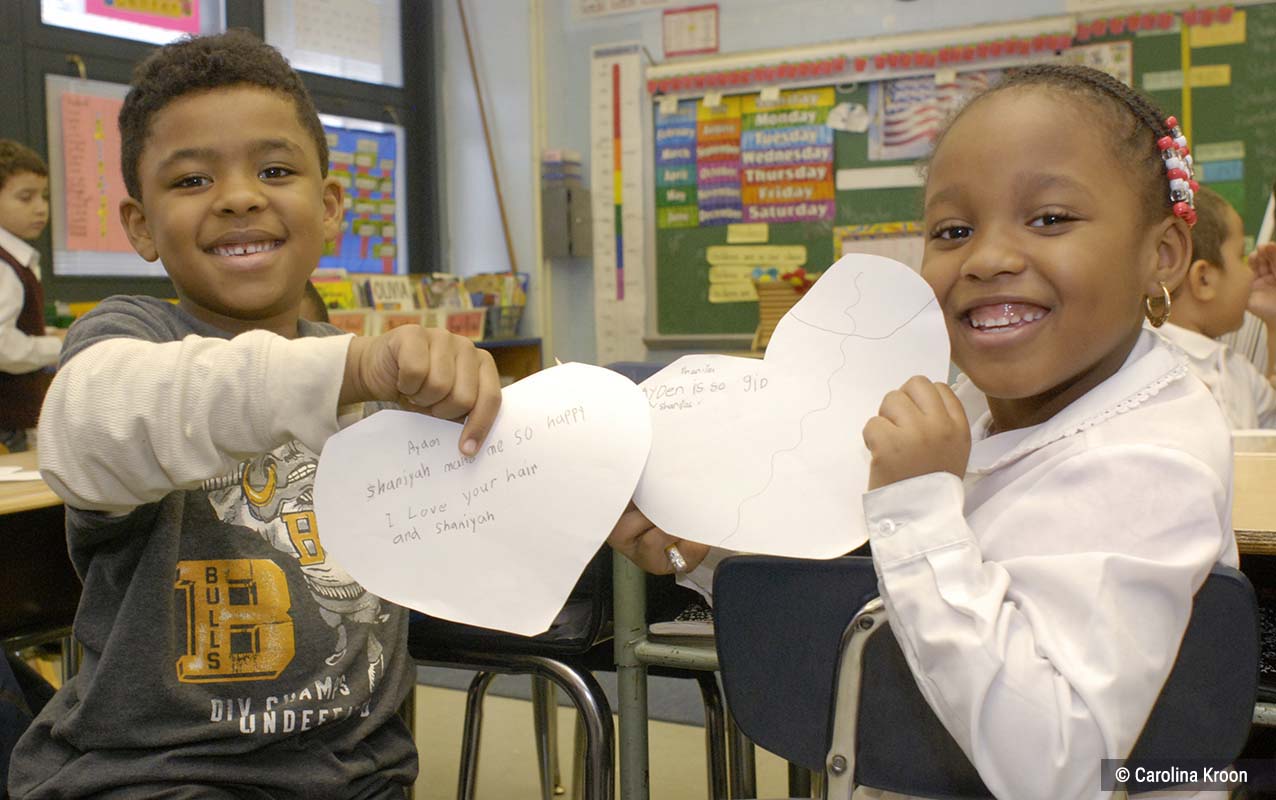
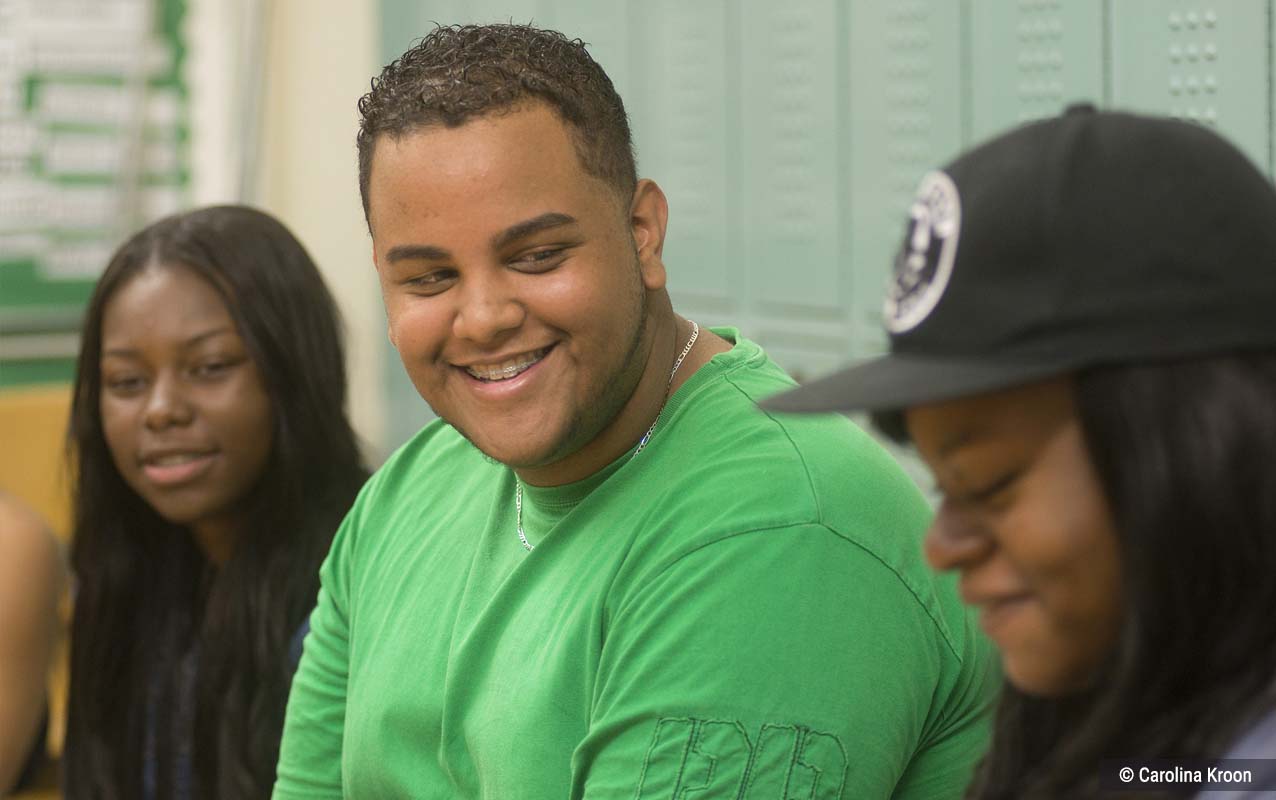
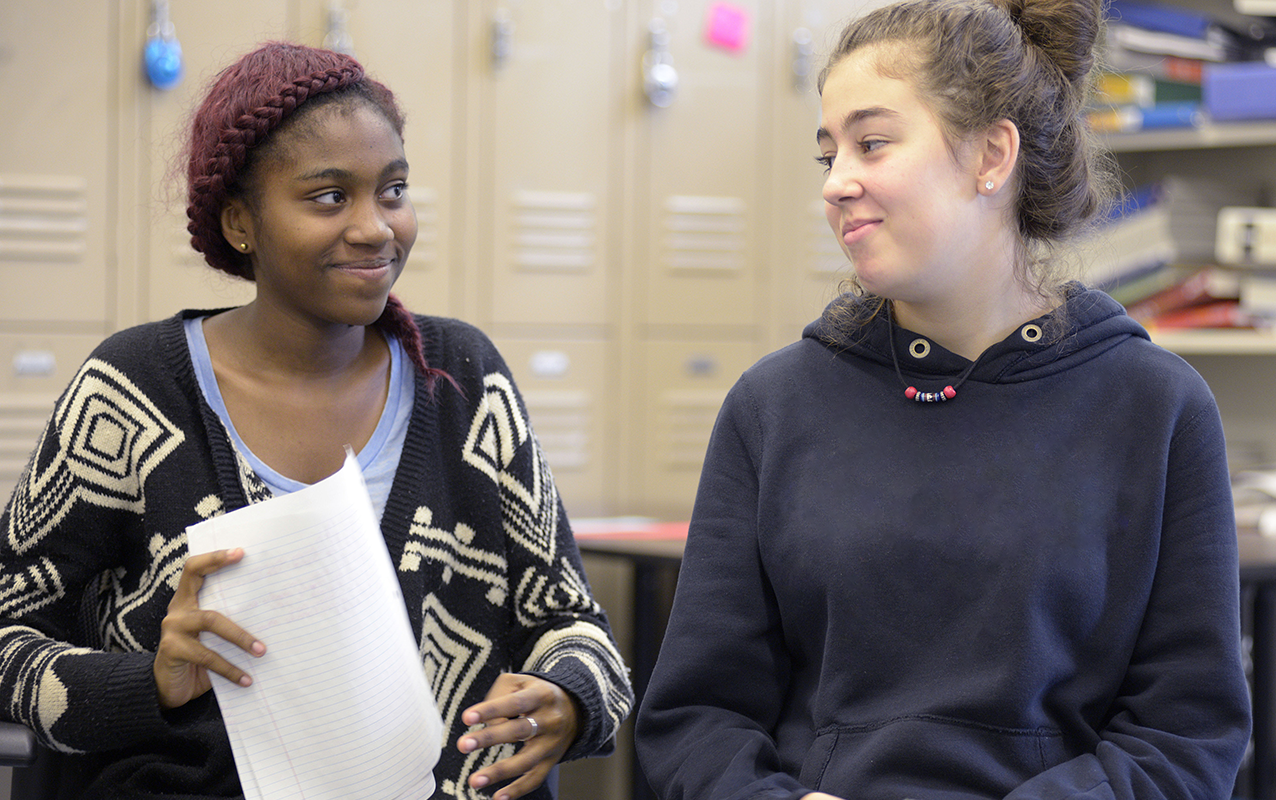
on this website are by Carolina Kroon (www.carolinakroonphotography.com)
|